
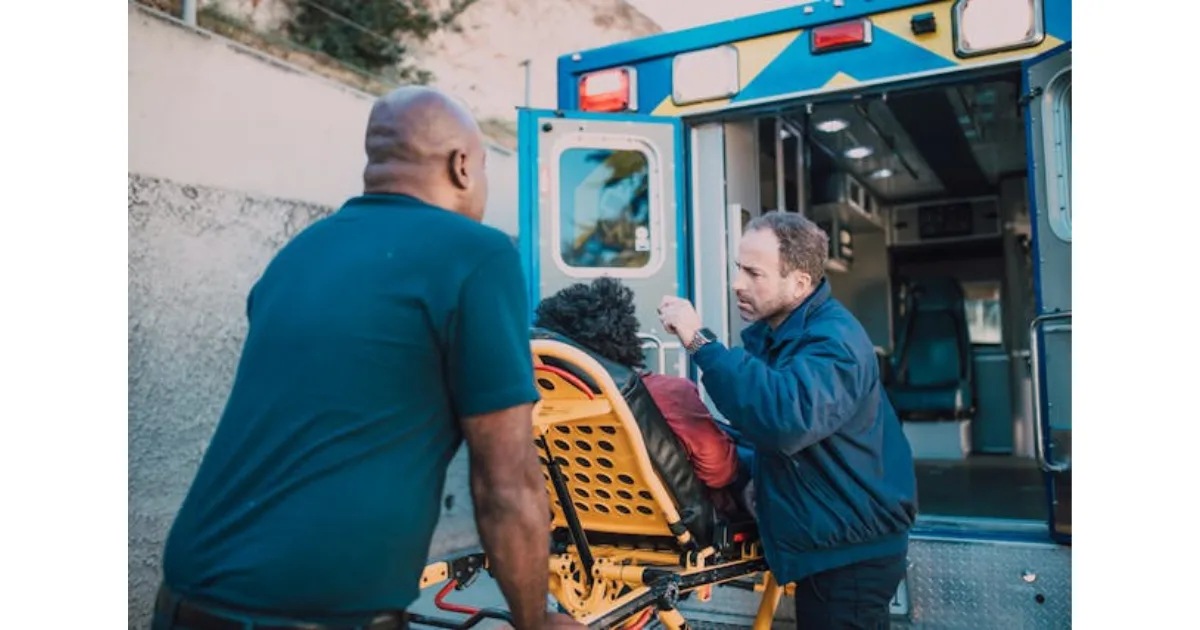

Emergencies can happen at any moment, and knowing when to call Emergency Medical Services (EMS) can make all the difference. Whether it’s for yourself, a loved one, or a stranger, recognizing the signs of a medical emergency is crucial for adults and adolescents alike. This guide is designed to be easy to read and understand for people of all ages, so you can act quickly and confidently when it matters most.
In this article, we’ll break down the situations where calling EMS (dialing 911 in the U.S. or your local emergency number) is essential, explain why prompt action is critical, and provide a simple table summarizing key scenarios. Our goal is to empower you with clear, actionable information to handle emergencies effectively.
Why For Adults/Adolescents, You Should Call/Activate Ems Matters
When someone’s life or health is at risk, every second counts. EMS professionals are trained to provide immediate care, stabilize patients, and transport them to a hospital if needed. Delaying a call to EMS can worsen outcomes, especially in cases of heart attacks, strokes, or severe injuries. By understanding when to activate EMS, you can help save a life.
This guide focuses on adults and adolescents (typically ages 12 and up), as their symptoms and emergency needs may differ slightly from younger children. We’ll use plain language, avoid medical jargon, and keep things straightforward so anyone can follow along.
Key Situations to For Adults/Adolescents, You Should Call/Activate Ems:
Below are the most common scenarios where you should call EMS immediately for adults or adolescents. These situations involve life-threatening conditions or cases where quick medical intervention is critical.
1. Difficulty Breathing or Choking
If someone is struggling to breathe, gasping for air, or choking, this is an emergency. Breathing problems can stem from asthma attacks, allergic reactions, choking on food, or other serious conditions like a collapsed lung.
-
Signs to watch for: Wheezing, turning blue, clutching the throat, or being unable to speak or cough.
-
What to do: Call EMS right away. If someone is choking and you know how to perform the Heimlich maneuver, do so while waiting for help, but only if you’re trained.
2. Chest Pain or Suspected Heart Attack
Chest pain, especially if it’s sudden or severe, could indicate a heart attack. This is particularly urgent for adults, but adolescents can also experience heart-related issues, especially if they have underlying conditions.
-
Signs to watch for: Pressure, tightness, or pain in the chest; pain spreading to the arms, neck, jaw, or back; sweating, nausea, or dizziness.
-
What to do: Call EMS immediately. Don’t drive the person to the hospital yourself—EMS can start treatment en route.
3. Signs of a Stroke
A stroke occurs when blood flow to the brain is interrupted, and it’s a leading cause of disability and death. The faster someone gets treatment, the better their chances of recovery.
-
Signs to watch for (use the FAST acronym):
-
Face drooping: One side of the face sags or feels numb.
-
Arm weakness: One arm drifts downward when raised.
-
Speech difficulty: Slurred speech or trouble speaking.
-
Time: Call EMS immediately if you see any of these signs.
-
-
What to do: Note the time symptoms started and call EMS. Quick treatment can save brain function.
4. Severe Bleeding or Injury
Uncontrolled bleeding or serious injuries from accidents, falls, or violence require immediate attention. Adolescents and adults can lose blood quickly, leading to shock or worse.
-
Signs to watch for: Heavy bleeding that doesn’t stop with pressure, deep cuts, broken bones sticking out, or head injuries with confusion or unconsciousness.
-
What to do: Apply pressure to stop bleeding if possible, keep the person still, and call EMS.
5. Loss of Consciousness or Fainting
If someone faints and doesn’t wake up quickly or seems confused after regaining consciousness, this could signal a serious issue like low blood sugar, a seizure, or a head injury.
-
Signs to watch for: Unresponsiveness, collapse, or seizures (shaking or convulsing).
-
What to do: Check if the person is breathing. If they’re not, start CPR if you’re trained, and call EMS immediately.
6. Severe Allergic Reactions (Anaphylaxis)
Allergic reactions can escalate quickly, especially if someone is exposed to a known allergen like peanuts, bee stings, or medications.
-
Signs to watch for: Swelling of the face or throat, trouble breathing, hives, or dizziness.
-
What to do: If the person has an epinephrine auto-injector (like an EpiPen), use it as directed. Call EMS even if symptoms improve, as reactions can return.
7. Suspected Overdose or Poisoning
Drug overdoses, alcohol poisoning, or exposure to toxic substances (like cleaning products) are emergencies. Adolescents are particularly at risk due to experimentation or mental health challenges.
-
Signs to watch for: Confusion, vomiting, seizures, slow breathing, or unconsciousness.
-
What to do: Call EMS and, if safe, try to identify what the person took or was exposed to. Don’t wait for symptoms to worsen.
8. Sudden Confusion or Behavioral Changes
Sudden changes in mental state, like confusion, agitation, or unresponsiveness, could indicate a stroke, low blood sugar, infection, or other serious issues.
-
Signs to watch for: Trouble understanding, acting strangely, or being unable to respond normally.
-
What to do: Call EMS, especially if the change is sudden or accompanied by other symptoms like fever or headache.
9. Severe Pain or Abdominal Issues
Intense pain that comes on suddenly, especially in the abdomen, could signal appendicitis, a ruptured organ, or another critical condition.
-
Signs to watch for: Extreme pain that doesn’t go away, fever, vomiting, or a hard, swollen belly.
-
What to do: Call EMS, as these symptoms often require surgery or immediate treatment.
10. Suicidal Thoughts or Actions
If an adult or adolescent expresses intent to harm themselves or has attempted self-harm, this is a mental health emergency.
-
Signs to watch for: Talking about wanting to die, giving away belongings, or visible injuries from self-harm.
-
What to do: Stay with the person, keep them safe, and call EMS or a crisis hotline (like 988 in the U.S.) for immediate help.
When in Doubt, Call EMS
If you’re unsure whether a situation is an emergency, it’s always better to call EMS and let professionals assess the situation. Dispatchers can guide you over the phone, and paramedics can provide life-saving care on the spot. Never hesitate to act—your quick decision could save a life.
What to Expect When You For Adults/Adolescents, You Should Call/Activate Ems:
Calling EMS can feel overwhelming, but knowing what to expect can help you stay calm:
-
Answer the Dispatcher’s Questions: They’ll ask for your location, the person’s condition, and other details. Stay as calm and clear as possible.
-
Follow Instructions: The dispatcher may guide you on first aid, like CPR or stopping bleeding, until help arrives.
-
Stay Safe: Keep yourself and others out of harm’s way, especially in cases of accidents or violence.
-
Prepare for EMS Arrival: Clear a path for paramedics, unlock doors, and have someone ready to direct them.
How to Teach Adolescents About For Adults/Adolescents, You Should Call/Activate Ems:
Adolescents can learn to recognize emergencies and call EMS themselves. Here’s how to prepare them:
-
Teach the Emergency Number: In the U.S., it’s 911. Make sure they know the equivalent in other countries if traveling.
-
Explain Key Signs: Use simple terms to describe symptoms like chest pain, trouble breathing, or unconsciousness.
-
Practice Scenarios: Role-play calling EMS so they feel confident in a real emergency.
-
Encourage Action: Let them know it’s okay to call EMS if they’re worried about someone, even if they’re not sure it’s serious.
Table: When to For Adults/Adolescents, You Should Call/Activate Ems:
|
Situation |
Key Signs |
What to Do |
|---|---|---|
|
Difficulty Breathing/Choking |
Wheezing, blue lips, clutching throat, unable to speak |
Call EMS; perform Heimlich if trained |
|
Chest Pain/Heart Attack |
Chest pressure, pain in arms/jaw, sweating, nausea |
Call EMS immediately; don’t drive |
|
Stroke |
Face drooping, arm weakness, slurred speech |
Call EMS; note time symptoms started |
|
Severe Bleeding/Injury |
Heavy bleeding, deep cuts, broken bones, head injury |
Apply pressure; call EMS |
|
Loss of Consciousness |
Fainting, unresponsiveness, seizures |
Check breathing; start CPR if trained; call EMS |
|
Severe Allergic Reaction |
Swelling, trouble breathing, hives |
Use epinephrine if available; call EMS |
|
Overdose/Poisoning |
Confusion, vomiting, slow breathing, unconsciousness |
Call EMS; identify substance if possible |
|
Sudden Confusion |
Trouble understanding, acting strangely |
Call EMS, especially if sudden |
|
Severe Pain/Abdominal Issues |
Intense pain, fever, vomiting, swollen belly |
Call EMS; don’t give food or drink |
|
Suicidal Thoughts/Actions |
Talking about self-harm, visible injuries |
Stay with person; call EMS or crisis line |
Why Acting Fast Saves Lives
Time is critical in emergencies. For example:
-
Heart attacks: Treatment within the first hour can prevent heart damage.
-
Strokes: Clot-busting drugs work best within 3–4 hours of symptom onset.
-
Severe bleeding: Stopping blood loss quickly can prevent shock or death.
By calling EMS promptly, you give the person the best chance at recovery. Hesitating or trying to “wait it out” can lead to worse outcomes.
Common Mistakes to Avoid
-
Driving to the Hospital: Unless EMS instructs you, don’t drive someone in a serious condition. Paramedics can provide care en route.
-
Ignoring Symptoms: Mild symptoms can escalate quickly. When in doubt, call EMS.
-
Assuming It’s Not Serious: Adolescents may downplay symptoms due to embarrassment or fear. Take their concerns seriously.
How to Prepare for Emergencies
Being proactive can make emergencies less chaotic:
-
Keep Emergency Numbers Handy: Save 911 or your local EMS number in your phone and post it at home.
-
Learn Basic First Aid: Take a CPR or first aid class to feel more confident.
-
Know Medical History: Be aware of allergies, medications, or conditions for yourself and loved ones.
-
Have a Plan: Discuss with family or friends what to do in an emergency.
Conclusion
Knowing when to For Adults/Adolescents, You Should Call/Activate Ems: can be a lifesaver. Whether it’s chest pain, trouble breathing, or a mental health crisis, acting quickly and calling for help ensures the person gets the care they need. Use the table above as a quick reference, teach adolescents to recognize emergencies, and trust your instincts—if something feels wrong, don’t hesitate to dial EMS.