
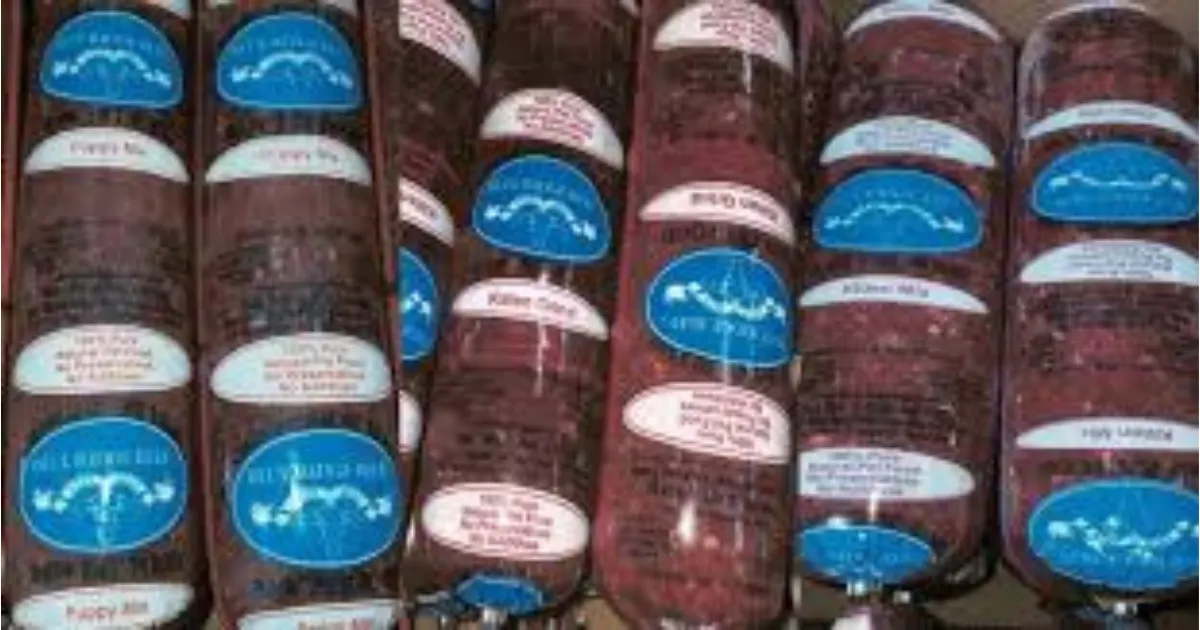

Pet owners, listen up! If you’ve recently purchased Blue Ridge Beef’s Puppy Mix or Kitten Mix, you need to check your pet food bags right away. On April 10, 2025, Blue Ridge Beef Recalls Pet Food Due to Salmonella and Listeria Contamination of their 2-pound logs of Puppy Mix and Kitten Mix due to potential contamination with Salmonella and Listeria monocytogenes. This recall affects over 2,400 pounds of pet food sold across nine states, and it’s critical for the safety of both your pets and your family. In this article, we’ll break down everything you need to know about the recall, why it matters, and what steps you should take to keep your furry friends safe.
What’s the Deal with the Recall?
Blue Ridge Beef, a North Carolina-based company known for its raw pet food, issued a recall for 1,380 pounds of their Puppy Mix (Lot #N25 1230) and 1,080 pounds of their Kitten Mix (Lot #N26 0114) after testing confirmed the presence of Salmonella and Listeria. The recall was triggered by a customer complaint about a pet falling ill, which prompted the New York State Department of Agriculture and Markets to collect samples on March 20, 2025. On April 1, 2025, the North Carolina Department of Agriculture notified the company that these samples tested positive for both harmful bacteria.
The affected products were sold between January 3 and January 24, 2025, in retail stores across nine states: Virginia, Maryland, Pennsylvania, Connecticut, Massachusetts, New York, Tennessee, Rhode Island, and Wisconsin. These products come in 2-pound logs packaged in clear plastic, with lot numbers stamped on the clips at the ends of the bags.
Recalled Products
Here’s a quick rundown of the affected products:
-
Blue Ridge Beef Puppy Mix
-
Size: 2-pound logs
-
Lot Number: N25 1230
-
-
Blue Ridge Beef Kitten Mix
-
Size: 2-pound logs
-
Lot Number: N26 0114
-
If you have these products at home, stop feeding them to your pets immediately. The lot numbers are easy to find—just check the clips on the ends of the bags.
Why Are Salmonella and Listeria Such a Big Deal?
You might be wondering, “What’s the harm in a little bacteria?” Well, Salmonella and Listeria are not to be taken lightly. These bacteria can cause serious health issues for both pets and humans. Let’s break it down.
Risks to Pets
Pets that consume contaminated food can develop infections that lead to a range of symptoms, including:
-
Lethargy (feeling unusually tired or weak)
-
Diarrhea or bloody diarrhea
-
Fever
-
Vomiting
-
Decreased appetite
-
Abdominal pain
Even scarier, some pets can carry these bacteria without showing any symptoms, acting as carriers that spread Salmonella or Listeria to other animals or humans. If your pet has eaten the recalled food and is showing any of these signs, contact your veterinarian right away.
Risks to Humans
Humans aren’t off the hook either. Handling contaminated pet food—especially without thorough handwashing—can lead to infection. Symptoms of Salmonella or Listeria in humans include:
-
Nausea
-
Vomiting
-
Diarrhea or bloody diarrhea
-
Abdominal cramping
-
Fever
In rare cases, these bacteria can cause more severe conditions like arterial infections, endocarditis (heart inflammation), arthritis, muscle pain, eye irritation, or urinary tract issues. Certain groups, like infants, the elderly, pregnant women, and people with weakened immune systems, are at higher risk for serious complications. For example, Listeria infections in pregnant women can lead to premature delivery, newborn infections, or even stillbirth.
If you’ve handled the recalled pet food and start feeling unwell, reach out to your healthcare provider and mention your possible exposure to the contaminated products.
What Should You Do If You Have the Recalled Pet Food?
If you’ve got the affected Puppy Mix or Kitten Mix in your home, here’s what you need to do to keep everyone safe:
-
Check the Lot Numbers: Look at the clips on the ends of the 2-pound bags to see if the lot numbers match (N25 1230 for Puppy Mix or N26 0114 for Kitten Mix).
-
Stop Feeding It to Your Pets: Do not give the recalled food to your pets or any other animals. It’s not worth the risk.
-
Dispose of the Food Safely: Throw out the food in a way that ensures no children, pets, or wildlife can access it. For example, seal it in a plastic bag and place it in a secure trash bin.
-
Return for a Refund: You can return the recalled products to the store where you purchased them for a full refund.
-
Clean and Sanitize Everything: Wash and sanitize any pet food bowls, cups, storage containers, or surfaces that came into contact with the recalled food. Don’t forget to thoroughly wash your hands after handling the products or cleaning up.
-
Monitor for Symptoms: Keep an eye on your pets and yourself for any signs of illness. If you notice anything unusual, contact your veterinarian or healthcare provider immediately.
For more information or if you have questions, you can reach out to Blue Ridge Beef directly at blueridgebeefnc@yahoo.com or call 704-873-2072 Monday through Friday, 8:00 AM to 5:00 PM EST.
Why Does This Keep Happening with Blue Ridge Beef?
If this recall sounds familiar, it’s because Blue Ridge Beef has faced similar issues before. In fact, this is the third recall for Salmonella contamination in just a few months. In January 2025, the company recalled 5,700 pounds of their Natural Mix due to Salmonella, and earlier that same month, they recalled 1,350 pounds of their Kitten Mix for the same reason. Back in December 2024, they recalled 2-pound packages of Puppy Mix after a litter of puppies fell ill.
These repeated recalls raise questions about the safety of raw pet food. Blue Ridge Beef prides itself on offering “100% pure raw pet food” made from muscle meats, organs, and bones, which they say provides proteins, fats, and enzymes that are more biologically available for pets. However, raw pet food is not cooked, which means it’s handled similarly to raw meat for human consumption. This makes it more susceptible to bacterial contamination if not processed or stored properly.
While raw diets can have benefits for some pets, they come with risks. The FDA and veterinarians often warn that raw pet food can harbor harmful bacteria like Salmonella and Listeria, posing risks to both pets and their owners. If you choose to feed your pet a raw diet, it’s crucial to handle the food with care, just as you would raw chicken or beef in your kitchen.
How to Stay Safe with Pet Food
This recall is a reminder that pet food safety is just as important as human food safety. Here are some tips to keep your pets and family safe when handling pet food:
-
Always Check for Recalls: Stay updated on pet food recalls by subscribing to FDA alerts or following trusted sources like Dog Food Advisor or PetfoodIndustry.com. The FDA’s Safety Reporting Portal is also a great place to report any issues with pet food.
-
Handle Raw Pet Food with Care: If you feed your pet raw food, treat it like raw meat. Use separate utensils, wash your hands thoroughly, and clean any surfaces that come into contact with the food.
-
Store Pet Food Properly: Keep pet food in a cool, dry place, and follow any storage instructions on the packaging to prevent bacterial growth.
-
Monitor Your Pet’s Health: If your pet seems off—whether it’s a lack of energy, vomiting, or diarrhea—don’t wait to see if it passes. Contact your vet right away.
-
Wash Everything: After feeding your pet, clean their bowls, storage containers, and any surfaces the food touched. A quick rinse isn’t enough—use soap and hot water or a sanitizer to kill bacteria.
What’s Next for Blue Ridge Beef?
Blue Ridge Beef is working with the FDA to address this recall, and the company has been transparent about the issue, urging consumers to take action to protect their pets and families. However, the string of recalls in recent months suggests that the company may need to reevaluate its quality control processes to prevent future contamination.
As a pet owner, it’s understandable to feel frustrated or worried when a trusted brand faces repeated recalls. If you’re a Blue Ridge Beef customer, you might want to consider switching to another brand temporarily or consulting with your veterinarian about safer feeding options until the company resolves these issues.
How to Stay Informed About Pet Food Recalls
Pet food recalls happen more often than you might think, and staying informed is key to keeping your pets safe. Here are some ways to stay in the loop:
-
FDA Website: The FDA regularly posts recall announcements and safety alerts for pet food. Check their website or sign up for email alerts to get the latest updates.
-
Pet Food Advisor: Websites like Dog Food Advisor track recalls and provide detailed information about affected products. You can subscribe to their free recall alerts for peace of mind.
-
Social Media: Follow pet food brands and news outlets on platforms like X to get real-time updates on recalls and other pet-related news.
-
Veterinarian Advice: Your vet is a great resource for information about safe pet food brands and feeding practices. They can also help you navigate recalls and choose the best diet for your pet.
Final Thoughts
The Blue Ridge Beef Recalls Pet Food Due to Salmonella and Listeria Contamination is a serious matter, but by taking the right steps, you can protect your pets and family from the risks of Salmonella and Listeria. Check your pet food bags, dispose of or return any recalled products, and keep an eye on your pets and yourself for any signs of illness. Pet ownership comes with so much joy, but it also means staying vigilant about the products we bring into our homes.