
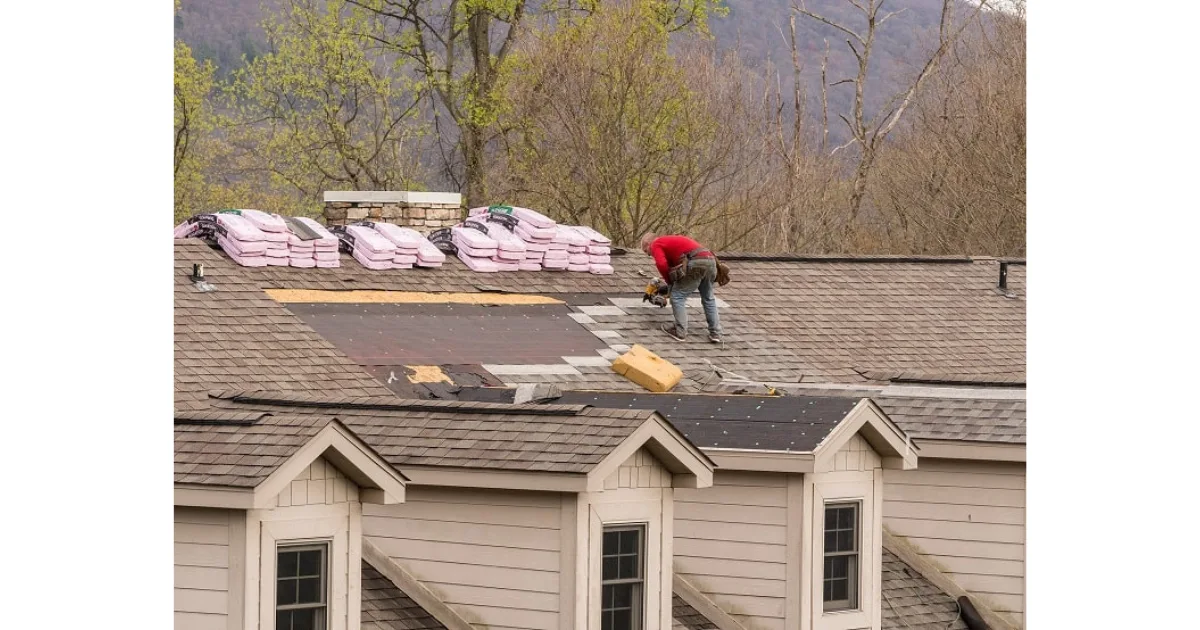

Replacing a roof is one of those home improvement projects that can feel daunting, especially when you start thinking about the costs. If you’re a homeowner with a 2,200-square-foot house, you’re likely wondering, “How Much Does It Cost to Replace a Roof on a 2,200 Square Foot House?” The truth is, the cost to replace a roof depends on several factors, including the materials you choose, labor charges in your area, and the complexity of your roof’s design. In this article, we’ll break it all down in a way that’s easy to understand, whether you’re a first-time homeowner or a seasoned pro. By the end, you’ll have a clear picture of what to expect and how to budget for a roof replacement in 2025.
How Much Does It Cost to Replace a Roof on a 2,200 Square Foot House?
Let’s get straight to the numbers. For a 2,200-square-foot house, the average cost to replace a roof in 2025 typically ranges between $8,000 and $22,000, with most homeowners paying around $12,000 to $15,000. These figures assume a standard asphalt shingle roof, which is the most common choice in the U.S. due to its affordability and durability.
Here’s a quick breakdown of the cost range based on different roofing materials:
|
Roofing Material |
Cost per Square Foot |
Total Cost for 2,200 Sq Ft House |
|---|---|---|
|
Asphalt Shingles |
$3.50–$7.00 | $8,000–$16,000 |
|
Metal Roofing |
$5.00–$12.00 | $11,000–$26,000 |
|
Tile (Concrete/Clay) |
$7.00–$15.00 | $15,000–$33,000 |
|
Slate |
$10.00–$20.00 | $22,000–$44,000 |
Note: These estimates include materials and labor but may vary depending on your location and roof complexity.
Why such a wide range? Several factors influence the final price, and we’ll dive into those next. Understanding these variables can help you plan your budget and avoid surprises.
Factors That Affect Roof Replacement Costs
Roof replacement isn’t a one-size-fits-all project. Here are the main factors that determine how much you’ll pay:
1. Roof Size and Pitch
The size of your house doesn’t directly translate to roof size. A 2,200-square-foot house might have a roof that’s slightly larger due to overhangs and slopes. Contractors measure roofs in “squares” (100 square feet), and a typical 2,200-square-foot house might have a roof size of 22–26 squares, depending on its design.
The pitch, or steepness, of your roof also matters. Steeper roofs require more safety equipment and time, which can increase labor costs by 10–20%. If your roof has multiple angles, dormers, or valleys, expect to pay more for the added complexity.
2. Roofing Material
The type of material you choose is one of the biggest cost drivers. Here’s a quick look at popular options:
-
Asphalt Shingles: Affordable and widely available, these cost $3.50–$7.00 per square foot. They last 20–30 years and come in various styles, from basic three-tab shingles to premium architectural ones.
-
Metal Roofing: Durable and energy-efficient, metal roofs cost $5.00–$12.00 per square foot. They can last 40–70 years and are great for harsh weather conditions.
-
Tile Roofing: Concrete or clay tiles run $7.00–$15.00 per square foot. They’re popular in warm climates and can last 50+ years but are heavier, requiring a sturdy roof structure.
-
Slate: A premium option, slate costs $10.00–$20.00 per square foot and can last over 100 years. It’s stunning but expensive and requires specialized installation.
3. Labor Costs
Labor typically makes up 60% of the total cost of a roof replacement. In 2025, labor rates vary widely by region. For example:
-
In rural areas, you might pay $50–$100 per hour for skilled roofers.
-
In urban areas or high-cost states like California or New York, rates can climb to $100–$150 per hour.
For a 2,200-square-foot house, labor costs for a standard asphalt shingle roof might range from $5,000 to $9,000, depending on your location and the job’s complexity.
4. Removal of Old Roofing
Before installing a new roof, contractors usually need to remove the old one. This process, called a “tear-off,” costs $1.00–$2.00 per square foot, adding $2,200–$4,400 to the project for a 2,200-square-foot house. If your roof has multiple layers of old shingles, the tear-off cost could be higher.
In some cases, contractors might suggest an overlay (installing new shingles over old ones) to save money, but this isn’t always recommended. Overlays can hide underlying issues and may not be allowed by local building codes.
5. Additional Features
Your roof might have features that add to the cost, such as:
-
Chimneys or Skylights: These require flashing to prevent leaks, adding $200–$500 per feature.
-
Ventilation: Proper roof ventilation, like ridge vents or soffit vents, might cost $300–$700.
-
Gutters: If your gutters need replacing, add $1,000–$3,000 for a full system.
6. Permits and Inspections
Most areas require permits for roof replacements, costing $100–$500, depending on local regulations. Some municipalities also require inspections to ensure the work meets building codes, which may add a small fee.
7. Warranty and Quality
Some roofing materials come with extended warranties, which can increase the upfront cost but save money in the long run. For example, premium asphalt shingles might cost more but include a 50-year warranty compared to a 20-year warranty for basic shingles.
How Much Does It Cost to Replace a Roof on a 2,200 Square Foot House
To make things clearer, here’s an example of what you might pay for an asphalt shingle roof replacement on a 2,200-square-foot house:
|
Item |
Cost |
|---|---|
|
Materials (Asphalt Shingles) |
$5,000–$7,000 |
|
Labor |
$5,000–$7,000 |
|
Tear-Off |
$2,200–$3,000 |
|
Permits |
$200–$400 |
|
Ventilation Upgrades |
$300–$500 |
|
Total |
$12,700–$17,900 |
This estimate assumes a moderately sloped roof with no major structural repairs. If your roof needs decking repairs or you choose a pricier material like metal or slate, the cost could be higher.
How to Save Money on Roof Replacement
Roof replacement is a big investment, but there are ways to keep costs down without sacrificing quality:
-
Get Multiple Quotes: Contact at least three reputable contractors for estimates. Compare their prices, materials, and warranties to find the best value.
-
Choose Cost-Effective Materials: Asphalt shingles are often the most budget-friendly option for a 2,200-square-foot house.
-
Time It Right: Schedule your replacement during the off-season (late fall or winter) when contractors may offer discounts.
-
Check for Insurance Coverage: If your roof was damaged by a storm, your homeowner’s insurance might cover part or all of the cost, minus your deductible.
-
Maintain Your Roof: Regular maintenance, like cleaning gutters and fixing small leaks, can extend your roof’s life and delay replacement.
Signs You Need a New Roof
Not sure if it’s time to replace your roof? Here are some common signs to watch for:
-
Missing or Damaged Shingles: Cracked, curled, or missing shingles indicate your roof is nearing the end of its life.
-
Leaks or Water Stains: If you notice water stains on your ceiling or walls, your roof may be failing.
-
Age: Most asphalt shingle roofs last 20–30 years. If your roof is older, it’s likely time for a replacement.
-
Granules in Gutters: Finding shingle granules in your gutters is a sign that your roof is deteriorating.
If you spot any of these issues, call a professional roofer for an inspection. They can tell you whether a full replacement is necessary or if repairs can buy you some time.
Choosing the Right Contractor
A good contractor can make or break your roof replacement project. Here’s how to find one:
-
Check Credentials: Ensure the contractor is licensed, insured, and bonded.
-
Read Reviews: Look at online reviews on sites like Google or Yelp to gauge their reputation.
-
Ask for References: Request contact information for past clients to hear about their experiences.
-
Get a Written Contract: The contract should detail the scope of work, materials, timeline, and payment schedule.
Avoid contractors who pressure you into signing quickly or offer deals that seem too good to be true. A quality roof is worth the investment.
Financing Your Roof Replacement
If the cost of a new roof feels overwhelming, you have options:
-
Home Equity Loan or HELOC: These loans often have lower interest rates and let you borrow against your home’s value.
-
Personal Loan: Unsecured personal loans are available from banks or credit unions, though interest rates may be higher.
-
Contractor Financing: Some roofing companies offer payment plans, but read the terms carefully to avoid high interest.
-
Insurance Claims: If your roof was damaged by a covered event, file a claim to offset costs.
Why Roof Replacement Is Worth It
A new roof does more than protect your home from the elements. It can:
-
Boost Curb Appeal: A fresh roof makes your house look newer and more attractive.
-
Increase Home Value: A new roof can raise your home’s resale value by 5–10%, according to real estate experts.
-
Improve Energy Efficiency: Modern roofing materials can reduce heating and cooling costs.
-
Provide Peace of Mind: Knowing your home is protected from leaks and weather damage is priceless.
Final Thoughts
Replacing a roof on a 2,200-square-foot house is a significant expense, with costs ranging from $8,000 to $22,000 depending on materials, labor, and other factors. By understanding what drives these costs and exploring ways to save, you can make an informed decision that fits your budget. Whether you choose affordable asphalt shingles or a durable metal roof, investing in a quality replacement will protect your home for years to come.