

Thanksgiving is a time for family, gratitude, and, for many, hitting the road or sky to gather with loved ones. But as we gear up for the holiday season in 2025, Mother Nature might have other plans. Winter weather warnings are popping up across the United States, signaling potential travel disruptions that could make your Thanksgiving journey a bit trickier. Whether you’re driving to Grandma’s house or flying across the country, here’s everything you need to know about the weather forecasts, affected areas, and tips to navigate the holiday hustle safely.
What’s Happening with the Weather?
As Thanksgiving 2025 approaches, forecasters are keeping a close eye on a series of storm systems sweeping across the U.S. These storms are bringing a mix of snow, rain, freezing rain, and gusty winds, which could spell trouble for the millions of Americans planning to travel. The National Weather Service and other meteorological outlets like AccuWeather and FOX Weather have issued winter storm warnings, watches, and advisories for various regions, particularly from late November into early December. This isn’t your average holiday drizzle—some areas could see heavy snowfall, icy roads, and low visibility, making travel a challenge.
The storms are expected to start in the West, move through the Rockies and Midwest, and hit the Northeast by Thanksgiving Day or shortly after. If you’re traveling during this busy week, it’s worth paying attention to the forecasts for your departure and return trips. Let’s break down the regions most likely to be affected and what kind of weather to expect.
Western United States: Snow and Rain Kick Things Off
The West Coast, particularly California, Washington, and the Sierra Nevada, is already bracing for heavy precipitation. Winter storm warnings have been issued for the Sierra Nevada, with forecasts predicting up to 4 feet of snow at higher elevations and wind gusts reaching 55 mph. This could lead to road closures on major routes like Interstate 80 near Donner Pass, a critical path for holiday travelers. Coastal areas might see heavy rain, with some spots in Central California expecting up to 5 inches, raising concerns about localized flooding.
If you’re traveling through cities like San Francisco, Los Angeles, or Salt Lake City, expect potential delays at airports and on highways. The good news? Ski resorts in Colorado and Utah are thrilled, as the heavy snowfall could mean a fantastic start to the season. But for drivers, especially in mountainous areas, the snow and ice could make roads treacherous. Pack emergency supplies like blankets, water, and a flashlight if you’re hitting the road.
Rockies and Midwest: Cold Snaps and Snow
As the storm system moves eastward, the Rockies and Midwest are next in line. States like Colorado, Wyoming, and Utah could see 6 to 12 inches of snow in mountainous regions, with some areas potentially getting up to 50 inches by late November. Denver, a major travel hub, might only see a couple of inches, but even that could slow down flights and traffic on Interstates 25, 70, and 80.
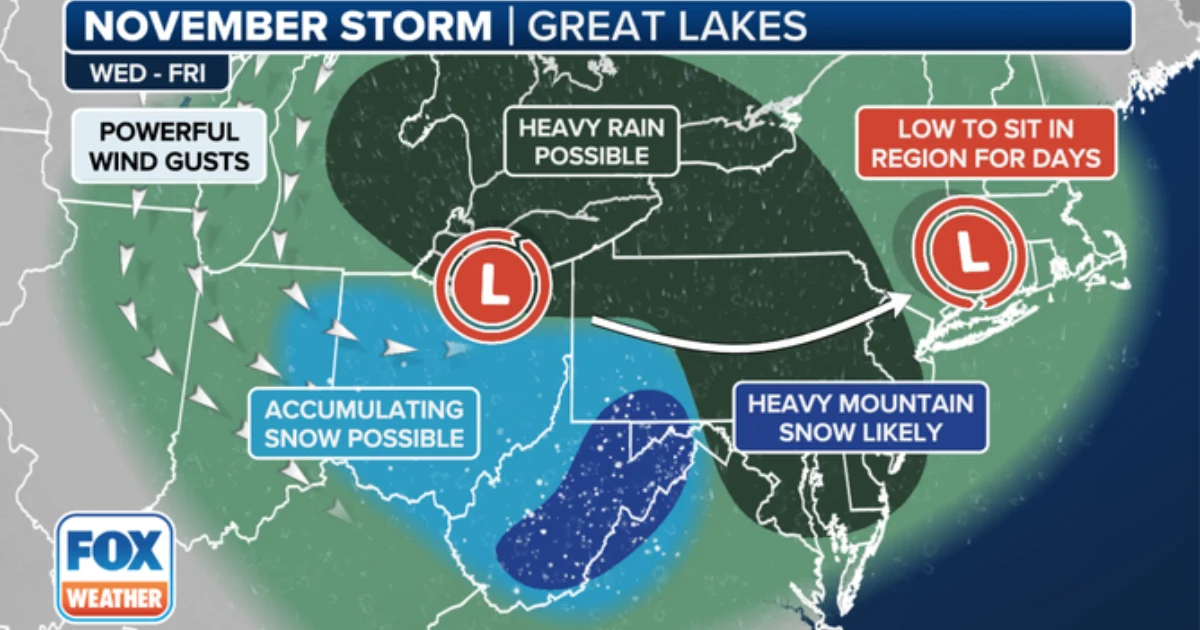
By Thanksgiving Day, the Midwest—think Wisconsin, Michigan, and parts of Ohio—could face a mix of rain and snow. A cold front moving through the Great Lakes region is expected to trigger lake-effect snow, especially in Michigan’s Upper Peninsula and along the eastern shores of Lakes Erie, Ontario, and Michigan. Some areas could see snowfall rates of 2 to 3 inches per hour, leading to whiteout conditions and hazardous roads. If you’re driving on Interstates 90 or 81, particularly between Cleveland and Buffalo or north of Syracuse, be prepared for slippery conditions and possible road closures.
Northeast: A Messy winter weather warnings issued for us, potential travel disruptions around thanksgiving
The Northeast is likely to bear the brunt of the storm by winter weather warnings issued for us, potential travel disruptions around thanksgiving and into Black Friday. Winter storm warnings and watches are in effect for parts of upstate New York, Vermont, New Hampshire, and Maine, with snowfall predictions ranging from 5 to 10 inches in some areas, and up to a foot in others. Higher elevations in the Adirondacks, Catskills, and northern New England could see even more significant accumulations.
For those traveling along the busy I-95 corridor from Boston to New York City, expect a wet and potentially snowy drive. Cities like New York, Hartford, and Boston are forecast to see cold rain, with rainfall totals between 0.5 and 1 inch. While this might not sound like much, it can make roads slick, especially if temperatures dip and freezing rain comes into play. The iconic Macy’s Thanksgiving Day Parade in New York City is expected to go on, rain or shine, but spectators should bundle up for chilly, wet conditions. Fortunately, wind speeds are predicted to stay below the 34 mph threshold that would ground the parade’s famous balloons.
Southeast: Severe Weather Threats
The Southeast isn’t escaping unscathed either. A cold front associated with this coast-to-coast storm could spark severe thunderstorms, with damaging wind gusts and even a slight chance of tornadoes. States like Alabama, Georgia, and South Carolina might see heavy rain and gusty winds, which could complicate travel, especially for those flying through major hubs like Atlanta. If you’re in the Southeast, keep an eye on weather updates, as conditions can change quickly.
Why This Matters for Thanksgiving Travel
Thanksgiving is one of the busiest travel periods of the year, with an estimated 80 million Americans expected to travel more than 50 miles in 2025, according to AAA. That’s a record-breaking number, surpassing even pre-pandemic levels. About 71.7 million people are expected to drive, while nearly 6 million will fly domestically—a 11% increase from 2019. With so many people on the move, even minor weather disruptions can lead to major delays.
The timing of this storm system is particularly tricky. Tuesday and Wednesday before Thanksgiving are the worst days for road travel, with congestion peaking in the afternoons. Sunday after the holiday is also expected to be busy, especially after 1 p.m. If snow, rain, or ice hits during these peak times, you could be stuck in traffic or facing flight delays. Airports like Newark Liberty, Denver International, and those along the East Coast are already reporting delays, and the situation could worsen as the storm moves east.
How to Prepare for Winter Weather Travel Disruptions
No one wants their Thanksgiving plans derailed by a snowstorm or a canceled flight. Here are some practical tips to help you navigate the holiday travel chaos safely and with minimal stress:
1. Stay Informed
Check weather updates regularly through trusted sources like the National Weather Service, AccuWeather, or FOX Weather. Apps like these can provide real-time alerts for your travel route or destination. If you’re flying, monitor your flight status through your airline’s app or website, and consider rebooking if storms are forecast during peak travel times.
2. Plan for Flexibility
If possible, build extra time into your travel schedule. For drivers, consider leaving a day early to avoid the worst of the storm. For air travelers, booking flights for earlier in the week or opting for morning departures can help you dodge delays caused by afternoon congestion or worsening weather.
3. Pack for Safety
If you’re driving, pack an emergency kit with essentials like blankets, water, snacks, a flashlight, and a first-aid kit. Make sure your car is winter-ready with good tires, a full tank of gas, and windshield wiper fluid rated for cold temperatures. If you’re flying, pack extra clothes and essentials in your carry-on in case your checked luggage gets delayed.
4. Know Your Route
For road trippers, stick to major highways where possible, as they’re more likely to be plowed and treated for ice. However, be aware that key interstates like I-80, I-90, and I-95 could see hazardous conditions. Use GPS apps with real-time traffic updates to avoid road closures or accidents.
5. Stay Safe in Severe Weather
If you’re in an area with winter storm warnings, delay travel if you can. If travel is unavoidable, drive slowly, keep a safe distance from other vehicles, and be prepared for sudden changes in visibility. For those in the Southeast facing severe thunderstorms, avoid driving through flooded areas and stay alert for tornado warnings.
6. Consider Travel Insurance
If you haven’t already, look into travel insurance that covers weather-related delays or cancellations. It could save you money and stress if your plans get disrupted.
What to Expect After winter weather warnings issued for us, potential travel disruptions around thanksgiving
The weather woes might not end with Thanksgiving dinner. A surge of Arctic air is expected to sweep through the Great Lakes, Midwest, and Northeast the weekend after the holiday, bringing frigid temperatures in the 20s to cities like Chicago, Pittsburgh, and Columbus, Ohio. Lake-effect snow could continue into early December, particularly in Michigan, western New York, and Pennsylvania, with some areas potentially seeing up to 2 feet of snow. If you’re traveling back home on Sunday or Monday, check forecasts early and often to avoid getting caught in a blizzard.
Black Friday shoppers should also take note. The same storm system could linger in the Northeast, bringing rain and snow that might reduce in-store traffic. If you’re planning to hit the stores, bring an umbrella and dress warmly, especially in New England.
A Look Back: Why This Weather Feels Familiar
This isn’t the first time Thanksgiving travel has been disrupted by winter weather. In 2019, a bomb cyclone hit the West Coast, bringing near-hurricane-force winds and heavy rains that flooded parts of San Diego. This year’s storms, fueled by atmospheric rivers and cold fronts, are shaping up to be similarly impactful. The combination of heavy snow, rain, and cold temperatures is a reminder that late November can bring some of the season’s most intense weather.
Final Thoughts: Stay Safe and Enjoy the Holiday
winter weather warnings issued for us, potential travel disruptions around thanksgiving is about coming together, sharing a meal, and making memories. While winter weather warnings and potential travel disruptions might throw a wrench in your plans, a little preparation can go a long way. Keep an eye on the forecast, plan for extra travel time, and prioritize safety whether you’re driving or flying. By staying informed and flexible, you can make sure your Thanksgiving is filled with warmth and gratitude, no matter what the weather brings.