
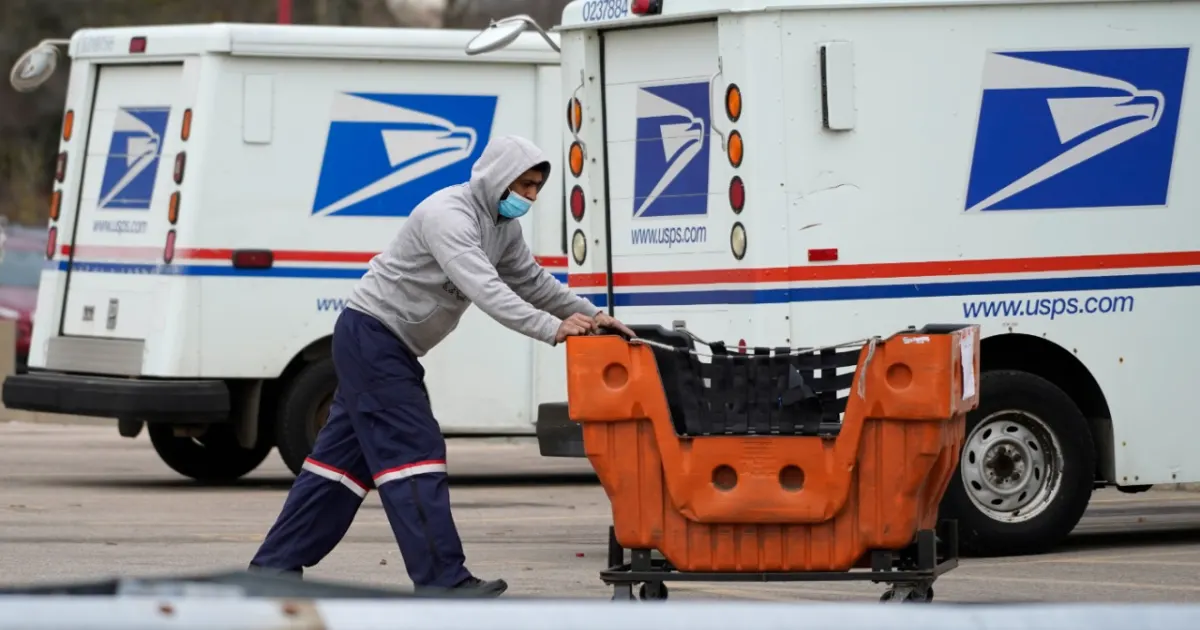

The United States Postal Service (USPS) is a cornerstone of American life, delivering everything from birthday cards to online shopping packages to millions of homes and businesses every day. However, the agency has been facing significant financial challenges for years, and recent reports indicate that usps may increase some mail delivery times to cut $3 billion in yearly costs in 2025. While these changes aim to improve the agency’s financial health, they could mean slower mail delivery for some customers, particularly in rural areas. In this article, we’ll break down what these proposed changes mean, why they’re happening, and how they might affect you—all in a simple, human tone that’s easy to understand.
Why Is USPS Making These Changes?
The USPS has been grappling with financial difficulties for over a decade. Between 2007 and 2020, the agency reported losses totaling more than $87 billion, and in 2024 alone, it recorded a net loss of $9.5 billion. Despite being a government agency, USPS operates independently and relies on revenue from stamps, postage, and services rather than taxpayer funds. This means it needs to find ways to balance its budget while continuing to deliver mail to every address in the country six days a week.
The proposed changes are part of a broader initiative called the “Delivering for America” 10-year plan, led by Postmaster General Louis DeJoy. This plan aims to modernize the postal service, reduce costs, and make operations more efficient. The USPS has already taken steps like raising stamp prices and streamlining operations, but the agency says more is needed to achieve long-term financial stability. The latest proposal focuses on revamping the delivery network to save an estimated $3 billion per year, with a goal of cutting $36 billion in costs over the next decade.
What Are the Proposed Changes?
The USPS is looking to overhaul its processing and transportation network by relying more on regional hubs. These hubs, called Regional Processing and Distribution Centers (RPDCs), are large facilities designed to handle mail and packages more efficiently by sorting and distributing them for long-distance and local delivery. The agency has already started using RPDCs in cities like Atlanta, Richmond, Virginia, and Portland, Oregon.
Here’s a breakdown of the key changes:
-
Adjusting Delivery Times: The USPS plans to tweak its service standards, which determine how long it takes for mail to reach its destination. While the agency will maintain a maximum five-day delivery window for its Ground Advantage program (used for packages) and a three-day window for local first-class mail (like letters), some mail could take longer to arrive, especially for customers farther from regional hubs.
-
Slower Delivery for Rural Areas: Customers in rural or remote areas may see delivery times increase by 12 to 24 hours. For example, a letter that used to take three days to arrive might now take four days. However, USPS assures that all mail will still arrive within the two-to-five-day service standard.
-
Faster Delivery for Urban Areas: On the flip side, customers living within 50 miles of major regional hubs could see faster delivery times. This is because the USPS is optimizing its transportation network to reduce trips between post offices and processing plants, making it quicker to deliver mail in densely populated areas.
-
No Impact on Election Mail or Medications: The USPS has emphasized that election mail, holiday shipments, and prescription medications will not be affected by these changes. Election mail will continue to be prioritized, and medications will be delivered at their current speed or faster.
-
Improved Tracking: The agency also plans to offer more precise tracking for some deliveries, allowing customers to better predict when their mail or packages will arrive.
These changes are set to begin in 2025, with a phased rollout starting in April and continuing in July. Before they take effect, the USPS will hold a public meeting on September 5 to discuss the proposal with stakeholders and submit it to the Postal Regulatory Commission for approval.
Why Are Rural Areas Affected the Most?
The proposed changes will likely have the biggest impact on rural communities, where mail delivery is already more challenging due to long distances and lower population density. The USPS says that 75% of first-class mail will see no change in delivery times, and about two-thirds of all mail will still be delivered in three days or less. However, for rural customers, some mail could take an extra day to arrive.
Postmaster General Louis DeJoy has acknowledged that these delays are a trade-off for modernizing an outdated system. “At the end of the day, I think some portion of the mail showing up 12 hours later, I think it’s a price that had to be paid for letting this place be neglected,” he told The Washington Post. The USPS argues that these changes are necessary to avoid deeper financial trouble and ensure the agency can continue serving every address in the country.
Critics, however, worry that slower delivery in rural areas could harm communities that rely heavily on the postal service. For example, rural residents often depend on USPS for delivering medications, bills, and other essential items, especially in areas with limited internet access or alternative delivery options.
The Financial Picture: Why $3 Billion Matters
To understand why USPS is pushing these changes, it’s important to look at the agency’s financial struggles. Since 1997, first-class mail volume has dropped by 80%, from 64 billion pieces in 2014 to just 46 billion in 2023. This decline is largely due to the rise of email and online communication, which has reduced the demand for traditional mail. At the same time, the growth of e-commerce has increased the volume of packages, putting new pressure on USPS to handle heavier and bulkier items.
Despite these shifts, the USPS has significant fixed costs, including pension contributions and workers’ compensation claims, which account for 80% of its losses. The agency has also maxed out its $15 billion credit line with the U.S. Treasury, making cost-cutting measures critical. By streamlining its network and reducing transportation and processing costs, USPS hopes to save $3 billion annually, which could help it avoid further price hikes or deeper service cuts in the future.
What Critics Are Saying
Not everyone is on board with the proposed changes. Democratic U.S. Representative Gerry Connolly from Virginia has been a vocal critic, calling the plan a “recipe for a death spiral at the Postal Service.” He argues that combining slower delivery with higher stamp prices could drive customers away, further hurting the agency’s revenue. “This is the second time Postmaster General DeJoy has proposed lower service standards. He might as well announce a return to delivering mail by horse and buggy,” Connolly said.
Others, including some Reddit users on forums like r/USPS and r/economy, have expressed frustration with the idea of slowing down rural delivery. One user pointed out that cutting service to rural areas could be seen as unconstitutional, given the USPS’s mandate to provide universal service. Another suggested that reducing delivery frequency to rural areas (like every other day) might be a better solution than slower delivery times.
There’s also concern about the impact on USPS employees. Some Reddit users noted that the changes could lead to longer commutes for postal workers, increased overtime, and potential staff shortages, especially in already understaffed areas.
How Will This Affect You?
The impact of these changes will depend on where you live and what kind of mail you rely on. Here’s a quick guide:
-
If You Live in Urban or Suburban Areas: You’re likely to see no change or even faster delivery times, especially if you’re near a regional hub. The USPS says that customers within 50 miles of these hubs will benefit the most from the optimized network.
-
If You Live in Rural Areas: You might notice that some mail takes an extra day to arrive. For example, a package that used to take three days could now take four. However, USPS assures that deliveries will still fall within the two-to-five-day window.
-
If You Send or Receive Election Mail or Medications: You shouldn’t notice any changes. The USPS has committed to prioritizing election mail and ensuring medications are delivered on time.
-
If You Run a Business: Businesses that rely on USPS for shipping may need to adjust expectations for delivery times, especially for customers in rural areas. However, the improved tracking features could help provide more transparency for you and your customers.
The Bigger Picture: Can USPS Stay Afloat?
The USPS is at a crossroads. On one hand, it’s one of the most popular federal agencies, with a 72% favorability rating according to Pew Research Centers. On the other hand, its financial challenges are undeniable, and the proposed changes are just one part of a larger effort to keep the agency running. The “Delivering for America” plan includes investments in technology, fleet upgrades, and automated sorting facilities, but critics argue that these efforts must be balanced with reliable service to maintain public trust.
There’s also talk of privatizing the USPS, an idea floated by President-elect Donald Trump. However, privatization faces strong opposition, especially from rural lawmakers who argue that it could undermine the agency’s constitutional mandate to provide affordable, universal service. For now, the USPS remains focused on modernization and cost-cutting to stay financially viable.
What Can You Do?
If you’re concerned about the proposed changes, here are a few steps you can take:
-
Stay Informed: Check the USPS website (about.usps.com) for updates on the proposed changes and how they might affect your area. The agency will provide tools to help customers understand delivery times for specific ZIP codes.
-
Share Your Feedback: The USPS is holding a public meeting on September 5 to discuss the proposal. You can also contact your local representatives to voice concerns about rural delivery or other issues.
-
Plan Ahead: If you live in a rural area, consider ordering packages or sending mail earlier to account for potential delays, especially for time-sensitive items.
-
Explore Alternatives: For urgent deliveries, you might consider private carriers like FedEx or UPS, though they may be more expensive, especially in rural areas.
Looking Ahead
The USPS’s proposed changes are a balancing act between cutting costs and maintaining reliable service. While the agency hopes to save $3 billion a year by streamlining its operations, the potential for slower delivery in rural areas has raised concerns among customers and lawmakers. As the USPS moves forward with its “usps may increase some mail delivery times to cut $3 billion in yearly costs” plan, it will need to address these concerns while proving that it can adapt to a changing world where email and e-commerce dominate.