

When someone hears the words “What Is the Longest Someone Has Lived With Stage 4 Prostate Cancer,” it’s natural to feel a wave of fear and uncertainty. This diagnosis means the cancer has spread beyond the prostate to other parts of the body, like the bones or lymph nodes, making it more challenging to treat. But there’s hope, too—advancements in medical treatments and inspiring survivor stories show that living a long, meaningful life with stage 4 prostate cancer is possible. In this article, we’ll explore the question, “What is the longest someone has lived with stage 4 prostate cancer?” in a way that’s easy to understand for readers of all ages. We’ll dive into survival statistics, real-life stories, treatment options, and tips for living well with this condition, all while keeping things clear and relatable.
Understanding What Is the Longest Someone Has Lived With Stage 4 Prostate Cancer
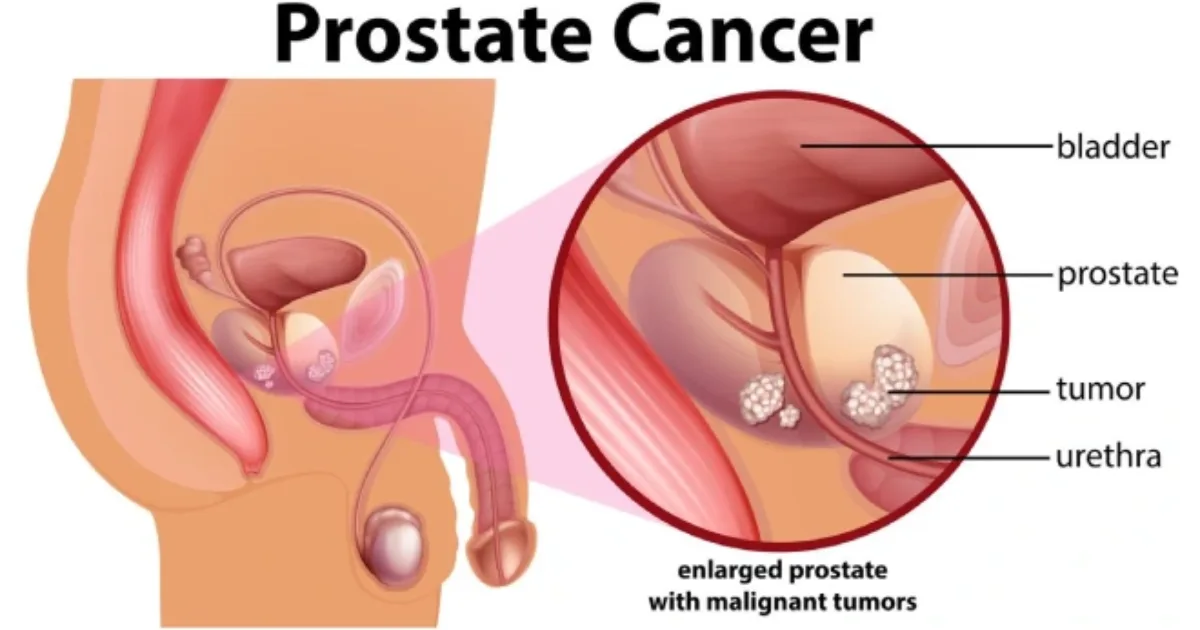
Before we talk about survival, let’s break down what stage 4 prostate cancer means. Prostate cancer is a condition where cells in the prostate gland—a small organ in men that helps produce semen—grow uncontrollably. In stage 4, the cancer has metastasized, meaning it has spread to other areas like the bones, lymph nodes, or organs such as the liver or lungs. This stage is often called metastatic prostate cancer, and it’s considered advanced because it’s no longer confined to the prostate.
Stage 4 prostate cancer is divided into two categories:
-
Stage 4A: The cancer has spread to nearby lymph nodes but not to distant organs.
-
Stage 4B: The cancer has spread to distant sites, like bones or other organs.
Because the cancer has spread, treatment focuses on managing symptoms, slowing the disease’s progression, and extending life rather than curing it outright. But here’s the good news: thanks to modern medicine, people are living longer and better with stage 4 prostate cancer than ever before.
Survival Rates: What Do the Numbers Say?
When discussing how long someone can live with stage 4 prostate cancer, survival rates give us a starting point. According to medical data, the average life expectancy for men with metastatic prostate cancer has improved significantly over the years. A few decades ago, the average survival was about 28 to 36 months (roughly 2 to 3 years). Today, advancements in treatments have pushed that number to about 5 to 6 years on average, with many living much longer.
For example, a study from Harvard Health notes that improved imaging techniques, like PSMA-PET scans, and new treatment approaches have made a big difference. These scans can detect smaller metastases earlier, allowing doctors to target them more effectively with surgery or radiation. This has led to better outcomes, with some experts even suggesting that metastatic prostate cancer might be curable in certain cases—a concept that was unthinkable just a decade ago.
However, survival rates are just averages. They don’t tell the whole story because every person’s experience is unique. Factors like age, overall health, the cancer’s response to treatment, and access to cutting-edge therapies all play a role in how long someone can live.
Inspiring Stories of Long-Term Survivors
One of the most uplifting parts of researching stage 4 prostate cancer is hearing about people who have defied the odds. Take Tim Baker, for instance, a man diagnosed with stage 4 metastatic prostate cancer nine years ago. As shared in an article from Monash University, Tim is not only alive but thriving at age 59. He’s fit, healthy, and even working as a research fellow, contributing to prostate cancer research. His story is a testament to the power of modern treatments and a positive mindset. Tim has been on hormone therapy, also known as androgen deprivation therapy (ADT), which is often the first line of treatment for metastatic prostate cancer. While most men see benefits from ADT for about 2 to 3 years before the cancer becomes resistant, Tim’s treatment has remained effective for nearly a decade.
Another inspiring case comes from anecdotal reports of men living 10, 15, or even 20 years with stage 4 prostate cancer. While specific names and detailed records for the absolute longest survivors are hard to pin down due to privacy and varying medical documentation, these stories exist and give hope. For example, online forums and cancer support groups often share accounts of men who have lived well beyond the average survival time by combining treatments like hormone therapy, chemotherapy, and newer targeted therapies with lifestyle changes.
What Factors Influence Long-Term Survival?
So, what makes it possible for some people to live so long with stage 4 prostate cancer? Several factors come into play:
1. Advancements in Treatment
Modern medicine has transformed the landscape of prostate cancer care. Here are some key treatments that have extended lives:
-
Hormone Therapy (ADT): This treatment lowers testosterone levels, which prostate cancer cells need to grow. It’s often the first step and can keep the cancer in check for years.
-
Chemotherapy: Drugs like docetaxel or cabazitaxel can slow cancer growth and improve survival, especially when hormone therapy stops working.
-
Targeted Therapies: Newer drugs, like abiraterone or enzalutamide, target specific pathways in cancer cells, offering better control of the disease.
-
Immunotherapy: Treatments like sipuleucel-T boost the body’s immune system to fight cancer, showing promise for some patients.
-
Radiation and Surgery: For those with oligometastatic cancer (a few metastatic sites), targeted radiation or surgery can remove or control these spots, potentially extending life.
-
Clinical Trials: Experimental treatments, like those tested in phase 3 clinical trials, can provide access to cutting-edge therapies that aren’t yet widely available.
2. Early Detection of Metastases
Advanced imaging, like PSMA-PET scans, has been a game-changer. These scans can spot tiny metastases that older imaging methods, like CT or MRI, might miss. Catching these early allows doctors to treat them before they grow larger and harder to manage.
3. Personal Health and Lifestyle
A person’s overall health plays a huge role. Men who maintain a healthy diet, exercise regularly, and manage stress often fare better. For example, Tim Baker, the survivor mentioned earlier, credits his active lifestyle as a former surfer and his positive outlook for helping him stay strong during treatment.
4. Access to Care
Having access to top-notch medical care and specialists can make a difference. Academic medical centers, like those affiliated with Harvard or USC, often have the latest treatments and clinical trials available.
5. Individual Biology
Every cancer is different. Some prostate cancers grow more slowly or respond better to treatment due to their genetic makeup. Tests like the CellSearch blood test, which measures circulating tumor cells (CTCs), can help predict how aggressive the cancer is and guide treatment decisions.
Treatments That Extend Life
Let’s take a closer look at the treatments that are helping people live longer with stage 4 prostate cancer. These options are often used in combination, tailored to the patient’s specific situation:
-
Hormone Therapy: As mentioned, ADT is the cornerstone of treatment. It can be highly effective for years, but when the cancer becomes “castrate-resistant” (no longer responding to ADT), other options are needed.
-
Chemotherapy: Chemotherapy is often used when hormone therapy stops working. It can shrink tumors and relieve symptoms, adding months or even years to life.
-
Targeted Radiation: For men with oligometastatic disease, radiation to specific metastatic sites can delay the need for more aggressive treatments.
-
Bone-Targeting Drugs: Since prostate cancer often spreads to the bones, drugs like zoledronic acid or denosumab can strengthen bones and reduce complications like fractures.
-
Immunotherapy and Targeted Drugs: Newer therapies, like PARP inhibitors for men with certain genetic mutations, are showing promise in extending survival.
-
Palliative Care: This focuses on improving quality of life by managing pain and other symptoms, which can indirectly support longer survival by keeping patients stronger.
Living Well With Stage 4 Prostate Cancer
Surviving stage 4 prostate cancer isn’t just about medical treatments—it’s also about living a fulfilling life. Here are some practical tips for patients and their loved ones:
1. Stay Active
Exercise, even gentle activities like walking or yoga, can boost energy, reduce fatigue, and improve mood. Always check with your doctor before starting a new exercise routine.
2. Eat a Balanced Diet
A diet rich in fruits, vegetables, lean proteins, and whole grains supports overall health. Some studies suggest that foods like tomatoes (rich in lycopene) or cruciferous vegetables (like broccoli) may be particularly beneficial for prostate health.
3. Manage Stress
Cancer can take an emotional toll. Practices like meditation, journaling, or talking to a therapist can help. Support groups, both in-person and online, connect you with others who understand what you’re going through.
4. Stay Informed
Learn about your condition and ask your doctor about new treatments or clinical trials. Being proactive can open doors to options that might not be offered otherwise.
5. Lean on Loved Ones
Family and friends can provide emotional and practical support. Don’t hesitate to ask for help with daily tasks or just to have someone listen.
The Role of Hope and Mindset
Stories like Tim Baker’s highlight the importance of a positive mindset. While it’s not a cure, staying hopeful and engaged in life can make a big difference. Tim, for example, found purpose in working with researchers and sharing his story, which gave him a sense of control and meaning. Many long-term survivors talk about finding joy in small moments—whether it’s gardening, spending time with family, or pursuing a hobby.
What’s the Longest Someone Has Lived?
So, what’s the answer to the question, “What is the longest someone has lived with stage 4 prostate cancer?” While exact records are hard to verify, there are documented cases of men living 10 to 20 years or more with this diagnosis. Tim Baker’s nine-year journey is one example, and there are likely others who have lived even longer, especially with access to newer treatments. The key is that survival times are highly individual, influenced by the factors we’ve discussed—treatments, health, and mindset.
Looking to the Future
The future for What Is the Longest Someone Has Lived With Stage 4 Prostate Cancer patients is brighter than ever. Researchers are working on new therapies, like targeted drugs and immunotherapies, that could further extend life. Clinical trials are exploring ways to make metastatic prostate cancer not just manageable but potentially curable in some cases. Blood tests, like the CellSearch test, are helping doctors predict outcomes and tailor treatments more precisely.