
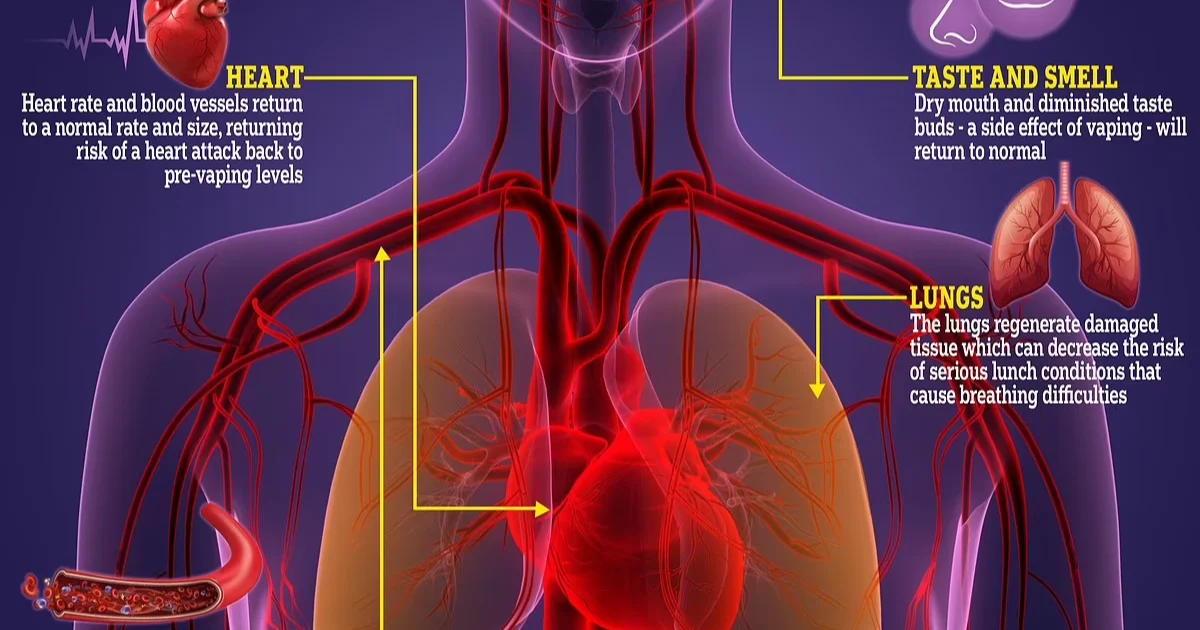

How Long Does It Take for Your Lungs to Heal From Vaping has become a popular alternative to smoking, especially among younger people who see it as a less harmful way to enjoy nicotine or flavored clouds. But as more research comes out, we’re learning that vaping isn’t as safe as it was once marketed to be. If you’ve been vaping and are wondering how long it takes for your lungs to heal after quitting, you’re not alone. This question is on the minds of many who want to take control of their health and breathe easier—literally. In this article, we’ll break down what vaping does to your lungs, how the healing process works, and how long it might take for your lungs to recover. We’ll keep it simple, clear, and easy to understand for readers of all ages.
What Does Vaping Do to Your Lungs?
Before we dive into the healing timeline, let’s talk about what vaping does to your lungs. When you vape, you inhale a mist of chemicals, flavorings, and sometimes nicotine or THC. These substances are heated into an aerosol that goes directly into your lungs. While vaping avoids some of the tar and carbon monoxide found in traditional cigarettes, it still exposes your lungs to potentially harmful substances like propylene glycol, vegetable glycerin, and various flavoring chemicals.
Some of these chemicals can irritate your airways, cause inflammation, or even damage the tiny air sacs in your lungs called alveoli. Over time, this can lead to symptoms like coughing, wheezing, shortness of breath, or even more serious conditions like popcorn lung (bronchiolitis obliterans) or vaping-related lung injury (EVALI). The good news? Your lungs are incredibly resilient. When you stop vaping, they can start to repair themselves, but the process takes time and depends on several factors.
Factors That Affect Lung Healing
How long it takes for your lungs to heal after quitting vaping varies from person to person. Here are the main factors that influence the healing process:
-
How Long and How Much You Vaped: If you’ve been vaping heavily for years, your lungs may have more damage to repair compared to someone who vaped occasionally for a few months.
-
Your Overall Health: If you’re young, healthy, and don’t have other lung issues (like asthma or COPD), your lungs may heal faster. Pre-existing conditions can slow the process.
-
Nicotine vs. Non-Nicotine Vaping: Nicotine can constrict blood vessels and reduce oxygen flow to your lungs, which may slow healing. Non-nicotine vapes still contain chemicals that can irritate your lungs, but quitting them may lead to faster recovery.
-
Lifestyle Choices: Eating a healthy diet, staying active, and avoiding other lung irritants (like smoke or pollution) can support faster healing.
-
Age: Younger lungs tend to recover more quickly because they’re more elastic and have better regenerative abilities.
The Healing Timeline: How Long Does It Take for Your Lungs to Heal From Vaping
Your lungs start healing as soon as you stop vaping, but the process happens in stages. Below is a general timeline of what you can expect, based on what we know about lung recovery from vaping and smoking (since the two share some similarities). Keep in mind that everyone’s body is different, so your experience may vary slightly.
Within 24–72 Hours: Immediate Relief Begins
Good news: your lungs start to feel better almost right away! Within the first 24 to 72 hours after quitting vaping, your body begins to clear out the chemicals and irritants from your airways. Here’s what’s happening:
-
Cilia Start to Recover: The tiny hair-like structures in your lungs (called cilia) help clear mucus and debris. Vaping can paralyze or damage these cilia, but they begin to wake up and work again within days of quitting.
-
Reduced Irritation: You may notice less throat irritation or coughing as your airways start to calm down.
-
Improved Oxygen Levels: Without the constant influx of chemicals, your blood oxygen levels may improve, making it easier to breathe.
You might still feel some discomfort, like a scratchy throat or mild cough, as your lungs start clearing out mucus and leftover chemicals. This is normal and a sign that your body is doing its job.
1–2 Weeks: Breathing Gets Easier
By the one- to two-week mark, you’ll likely notice some positive changes. Your lungs are working hard to repair the damage, and you may experience:
-
Less Shortness of Breath: If vaping made you feel winded, you might find it easier to climb stairs or exercise without gasping for air.
-
Coughing May Increase Temporarily: This sounds counterintuitive, but a temporary increase in coughing is a good sign. It means your cilia are back in action, pushing out mucus and debris that built up from vaping.
-
Improved Sense of Smell and Taste: Vaping can dull these senses, but they often start to bounce back within a couple of weeks.
During this time, it’s important to stay hydrated and avoid other irritants like secondhand smoke or heavy pollution, as your lungs are still sensitive.
1–3 Months: Significant Healing
By the one- to three-month mark, your lungs are making great progress. The inflammation caused by vaping chemicals starts to subside, and your lung function improves. Here’s what’s happening:
-
Airways Are Less Inflamed: The constant irritation from vaping chemicals fades, allowing your airways to open up and function better.
-
Lung Capacity Improves: You may notice you can exercise longer or breathe more deeply without discomfort.
-
Coughing and Wheezing Decrease: Any lingering cough or wheezing should start to fade as your lungs clear out the last of the vaping-related gunk.
If you had mild symptoms from vaping, like occasional coughing or throat irritation, you might feel almost back to normal by this point. However, if you vaped heavily or have underlying lung issues, healing may take longer.
6 Months to 1 Year: Long-Term Recovery
For most people, significant lung healing happens within six months to a year after quitting vaping. By this point:
-
Lung Tissue Repairs Itself: The tiny air sacs (alveoli) damaged by vaping chemicals start to regenerate, improving your lung’s ability to take in oxygen.
-
Risk of Lung Infections Decreases: Vaping can make you more prone to respiratory infections, but your immune system gets stronger as your lungs heal.
-
Energy Levels Increase: With better oxygen flow, you may feel more energized and less fatigued.
If you had more severe symptoms, like chronic coughing or signs of lung injury, it could take up to a year or more for your lungs to fully recover. In rare cases, severe damage (like scarring from popcorn lung) may be permanent, but quitting vaping still gives your lungs the best chance to heal as much as possible.
Beyond 1 Year: Ongoing Benefits
If you stay vape-free, your lungs continue to benefit over time. While some damage from heavy, long-term vaping may leave lasting effects (like mild scarring), most people see dramatic improvements in their lung health. Your risk of developing vaping-related lung conditions drops significantly, and your overall respiratory health continues to improve.
How Long Does It Take for Your Lungs to Heal From Vaping Healing
Quitting vaping is the most important step, but there are things you can do to help your lungs heal faster and stay healthy:
-
Eat a Nutrient-Rich Diet: Foods high in antioxidants—like fruits, vegetables, and whole grains—can help reduce inflammation and support tissue repair. Think colorful foods like berries, spinach, and sweet potatoes.
-
Stay Active: Regular exercise improves lung capacity and circulation, helping your lungs work more efficiently. Start with gentle activities like walking or yoga if you’re feeling out of breath.
-
Avoid Other Lung Irritants: Stay away from secondhand smoke, air pollution, or harsh chemicals that could slow your lung healing.
-
Stay Hydrated: Drinking plenty of water helps thin mucus in your lungs, making it easier for your body to clear it out.
-
See a Doctor if Needed: If you’re experiencing persistent symptoms like chest pain, severe coughing, or shortness of breath, talk to a healthcare provider. They can check for any underlying issues and guide your recovery.
Can Your Lungs Fully Heal After Vaping?
For most people, especially those who vaped for a short time or lightly, the lungs can heal almost completely after quitting. However, if you vaped heavily for years or developed a condition like popcorn lung or EVALI, some damage may be permanent. The good news is that quitting vaping stops further harm, and your lungs will still improve significantly, even if they don’t return to 100% pre-vaping condition.
Table: Lung Healing Timeline After Quitting Vaping
|
Time After Quitting |
What Happens |
Symptoms You May Notice |
|---|---|---|
|
24–72 Hours |
Cilia begin to recover, chemicals start clearing out |
Less throat irritation, mild coughing as mucus clears |
|
1–2 Weeks |
Airways calm down, cilia work better |
Easier breathing, temporary increase in coughing, improved taste/smell |
|
1–3 Months |
Inflammation decreases, lung capacity improves |
Less coughing/wheezing, better exercise tolerance |
|
6 Months–1 Year |
Lung tissue regenerates, infection risk drops |
Increased energy, significant improvement in lung function |
|
Beyond 1 Year |
Ongoing improvements, reduced risk of lung issues |
Near-normal lung health for most, continued benefits |
Why Quitting Vaping Is Worth It
Quitting vaping can feel tough, especially if you’re used to the habit or enjoy the flavors. But the benefits for your lungs—and your overall health—are undeniable. Within days, your lungs start to recover, and over time, you’ll likely feel better, breathe easier, and have more energy. Plus, you’re reducing your risk of serious lung problems down the road.
If you’re struggling to quit, you’re not alone. Consider talking to a doctor, joining a support group, or using nicotine replacement therapies (if you were vaping nicotine). There are also apps and resources designed to help you stay vape-free. Your lungs will thank you for it!
Final Thoughts
So, How Long Does It Take for Your Lungs to Heal From Vaping? For most people, noticeable improvements start within days, with major healing happening within a few months to a year. The exact timeline depends on how much you vaped, your overall health, and how you support your recovery. By quitting vaping and adopting healthy habits, you’re giving your lungs the best shot at bouncing back. If you’re thinking about quitting, now’s the perfect time to start—your lungs are ready to heal!