
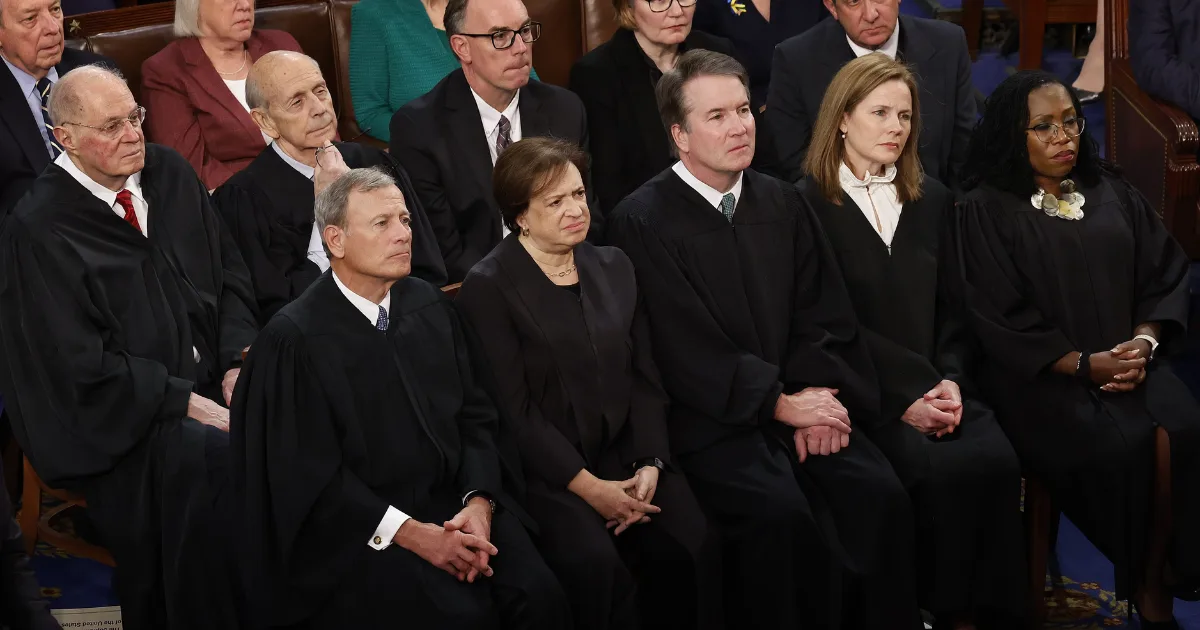

Hey there, folks. Imagine this: the highest court in the land, where nine wise judges decide the biggest legal fights in America, suddenly has five of them saying, “Nope, I’m out.” That’s exactly what went down in May 2025 with a case involving famous author Ta-Nehisi Coates. It’s a rare twist that left everyone scratching their heads and talking about fairness in the courts. Don’t worry if you’re new to all this legal stuff—I’ll break it down step by step, like chatting over coffee. No fancy jargon, just the facts in plain English.
This story isn’t just about one lawsuit. It’s a window into how Supreme Court justices handle conflicts of interest, why book deals can complicate things, and what it means for trust in our justice system. By the end, you’ll get why this “sit-out” move was such a big deal. Let’s dive in.
The Case at the Heart of It: Baker v Coates Explained Simply
Picture a writer pouring his heart into a book, only for someone to say, “Hey, that’s my idea!” That’s the gist of the case called Baker v. Coates. It started back in 2019 when Ralph W. Baker, an author, sued Ta-Nehisi Coates. Coates is a big-name writer known for books like Between the World and Me and his novel The Water Dancer. Baker claimed that The Water Dancer copied ideas from his own book, The Years of the Locust, without permission. In legal terms, that’s called copyright infringement—stealing someone’s creative work.
The lawsuit didn’t stop at Coates. It also targeted heavy hitters like Oprah Winfrey’s production company, Harpo Productions (they helped promote the book), and the publisher, Penguin Random House. Baker said the book was a rip-off and wanted money for it. Lower courts, like the federal appeals court, looked at it and said, “Nah, no real copying here.” They tossed the case out, meaning dismissed it.
But Baker didn’t give up. He appealed to the U.S. Supreme Court, hoping the nine justices would take a fresh look. Normally, the Supreme Court picks only about 80 cases a year out of thousands. They decide if a lower court’s ruling was wrong on big issues, like how copyright laws work. This one seemed like it could touch on free speech and creativity in writing—important stuff for authors everywhere.
On May 19, 2025, the Supreme Court issued a short order: “Case denied.” But here’s the shocker—they couldn’t even fully consider it because five justices had to step aside. That left just four to vote, and without at least six (called a quorum), the court couldn’t move forward. So, the lower court’s win for Coates stood. Simple as that, but oh boy, the reasons behind those five “no-shows” sparked a firestorm.
What Does It Mean for a Justice to “Sit Out” or Recuse Themselves?
Before we name names, let’s chat about recusal. It’s a fancy word for when a judge says, “I can’t be impartial here, so I’ll bow out.” The five supreme court justices sit out case in rare move has rules (kind of loose ones) saying justices should recuse if there’s a conflict—like if they’re too close to the people or companies involved. Think of it like a referee in a soccer game not playing if their buddy is on one team.
Why recuse? To keep things fair. If a justice has money tied up in a company that’s part of the case, or a personal friendship, it could look bad—even if they swear they can be neutral. The Supreme Court’s ethics code, updated in 2023 after lots of public pressure, says recusals should happen when there’s an “appearance of impropriety.” But it’s not super strict; justices decide for themselves, no outside boss to check.
In most cases, one or two justices might recuse. But five? That’s like half the team calling in sick. It forced the court into a rare spot where they just affirmed the lower ruling without debate. No oral arguments, no deep dive—just “done.”
This isn’t the first time recusals made headlines, but the scale here was eye-opening. It showed how justices’ outside lives—books, speeches, investments—can clash with their day jobs.
The Five Justices Who Stepped Aside: Who and Why?
Okay, drumroll. The justices who recused were Samuel Alito, Sonia Sotomayor, Neil Gorsuch, Amy Coney Barrett, and Ketanji Brown Jackson. That’s a mix from both sides of the court’s usual divides—conservatives and liberals alike. The ones who stayed? Chief Justice John Roberts, Clarence Thomas, Elena Kagan, and Brett Kavanaugh.
Why did these five sit out? The big clue points to book deals. Penguin Random House, the publisher in the case, has ties to four of them:
- Sonia Sotomayor: She’s written bestsellers like My Beloved World. Penguin published them, and she gets royalties. Boom—direct financial link.
- Neil Gorsuch: His book A Republic, If You Can Keep It? Also Penguin.
- Amy Coney Barrett: She co-authored *The Case Against Vaccines? Wait, no—actually, her work on originalism and family law books are with publishers in the Penguin family.
- Ketanji Brown Jackson: Her memoir Lovely One was snapped up by Penguin Random House in a big deal.
Alito? He doesn’t have a Penguin book, but reports suggest he recused due to other potential conflicts, maybe investments or past connections in publishing circles. The court didn’t explain in detail—that’s part of the opacity critics hate.
To make it crystal clear, here’s a simple table breaking down the recusals:
| Justice | Political Lean | Reason for Recusal (Likely) | Book/Publisher Tie |
|---|---|---|---|
| Samuel Alito | Conservative | Possible financial or personal conflict | No direct book, but potential investments |
| Sonia Sotomayor | Liberal | Financial interest in publisher | Published by Penguin Random House |
| Neil Gorsuch | Conservative | Financial interest in publisher | Book published by Penguin |
| Amy Coney Barrett | Conservative | Financial interest in publisher | Ties to Penguin-affiliated publishers |
| Ketanji Brown Jackson | Liberal | Financial interest in publisher | Memoir deal with Penguin Random House |
This table shows it’s not about politics—it’s about money from books. Justices earn about $300,000 a year, but book advances can be millions. For example, Sotomayor’s books have sold over a million copies. That’s great for them, but when the case involves their publisher, recusal makes sense to avoid any whiff of bias.
The Bigger Picture: Why This Rare Move Highlights Judicial Ethics
This wasn’t just a quirky one-off. It shone a spotlight on a hot topic: Do Supreme Court justices need stricter rules? For years, people have griped about things like justices taking luxury trips (looking at you, Thomas and Alito) or not disclosing gifts. The 2023 ethics code was a step, but it’s voluntary—no enforcement.
In this case, the recusals were a win for transparency. Critics like the group Citizens for Responsibility and Ethics in Washington (CREW) said it showed justices can spot conflicts when it hits close to home—like their own wallets. But it also raised alarms: What if fewer justices recused? Or if the court had to keep hearing cases with tainted participation?
Think about the impact on the case itself. Ta-Nehisi Coates and Oprah got a quiet victory. Coates, who’s written powerfully about race and history, didn’t have to defend his work in the spotlight. But for Baker, the little guy, it meant no Supreme Court shot. And for the public? It reminded us that even the top court isn’t perfect.
Historically, mass recusals are super rare. Back in 2011, three justices sat out a health care case due to past jobs. In 2004, four recused in a Voting Rights Act challenge. But five? That’s the most in decades, per legal experts. It ties into broader debates: Should justices ban side gigs? Require blind trusts for investments? Congress has talked ethics bills, but with a divided government, nothing’s passed yet.
A Quick Primer on Copyright Law: Why This Case Mattered
To really get why this lawsuit bubbled up to the Supreme Court, let’s touch on copyright basics. Copyright protects original ideas in books, music, art—stuff you create. But it’s not forever; it covers expression, not facts or basic plots. Baker said Coates copied specific scenes or themes from his sci-fi thriller. Courts said no—similar ideas aren’t enough; you need word-for-word theft.
This case could have set rules for authors. In today’s world, with AI writing books and social media remixing content, clear copyright lines are crucial. Coates’ The Water Dancer blends slavery history with fantasy—super creative. A Supreme Court ruling might have said how far authors can draw from others without crossing the line.
Sadly (or luckily, depending on your view), we didn’t get that clarity because of the recusals. Instead, it stays with lower court precedents: Ideas are free; exact copies aren’t.
Reactions from All Sides: Authors, Critics, and the Public
When the news hit, reactions poured in. Ta-Nehisi Coates tweeted a simple “Grateful,” linking to his work. Oprah’s team stayed quiet, but fans cheered the win for Black authors facing baseless suits.
Legal watchdogs were split. Some praised the recusals as “progress.” CREW noted it was the first time multiple justices stepped back from a publisher case. Others, like Fix the Court, said it’s “too little, too late.” They want mandatory recusals and public explanations—right now, justices just list “recused” without why.
On the flip side, conservative voices defended the justices. They argued book deals are harmless and recusals prove the system works. But even some, like in The Wall Street Journal, admitted it looks messy.
Public trust? Polls from 2025 show Supreme Court approval at historic lows—around 40%. Events like this don’t help. Younger folks, especially, want more accountability. Imagine explaining to a kid: “The judges who decide right and wrong sometimes have to skip because they might be unfair.” It’s a teachable moment, but also a worry.
Social media buzzed. On X (formerly Twitter), #SupremeRecusals trended. Memes showed justices with book stacks, captioned “When your side hustle bites back.” It humanized the court—turns out, even justices chase bestsellers.
What Happens Next? Lessons and Possible Changes
So, where does this leave us? The Baker v. Coates saga is over, but the ethics chat rages on. In June 2025, Senate hearings grilled justices on recusals. Roberts defended the code, saying self-policing works. But bills like the Supreme Court Ethics, Recusal, and Transparency Act gained traction, pushing for outside reviews.
For authors like Coates, it’s a reminder: Success brings lawsuits. His book, a New York Times bestseller, explored underground railroads with magic—profound stuff. Winning without a full Supreme fight lets him focus on writing.
Broader lesson? Conflicts lurk everywhere. Justices aren’t monks; they live in the world. But when personal gain touches justice, we all lose a bit of faith.
If you’re a writer or just love books, this underscores creativity’s value. Copyright protects it, but fair use lets ideas flow. And for democracy fans, it pushes for better rules—maybe a ethics committee with real teeth.
Wrapping It Up: A Rare Move That Sparks Real Talk
In the end, five supreme court justices sit out case in rare move was a rare, eyebrow-raising moment. It affirmed a win for Ta-Nehisi Coates in a plagiarism fight, but more importantly, it forced a national convo on judicial ethics. From book deals to recusals, it’s clear the court’s human side can complicate its mission.