
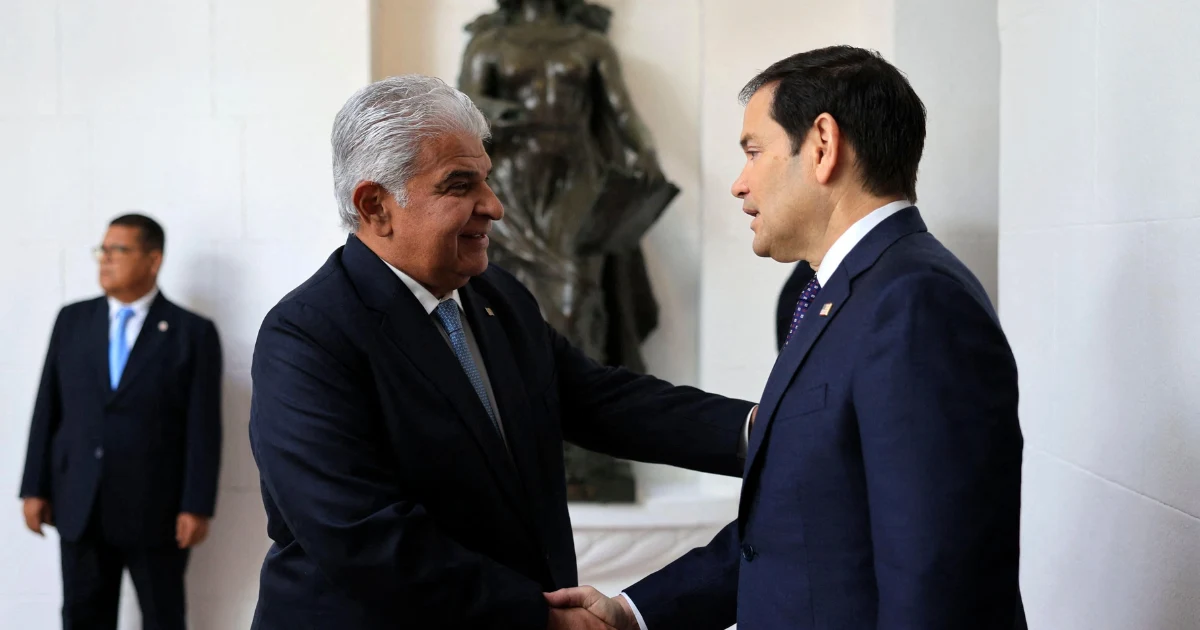

Hey there, folks! Imagine a tiny country like Panama caught right in the middle of a massive tug-of-war between two superpowers: the United States and China. That’s exactly what’s been happening lately with the Panama Canal, one of the world’s busiest shipping shortcuts. On February 3, 2025, panamanian president mulino ends belt and road deal with china after us pressure. And guess what? This move came hot on the heels of intense pressure from the US, led by none other than Secretary of State Marco Rubio. If you’re wondering what this all means for international relations, trade, and even everyday folks like us, stick around. I’ll break it down in simple terms, like chatting over coffee, so anyone from kids to grandparents can follow along. We’ll explore the backstory, the drama, and what might come next. Let’s dive in!
What is the Belt and Road Initiative? China’s Big Global Plan Explained Simply
First things first: What’s this Belt and Road thing all about? Launched by Chinese President Xi Jinping back in 2013, the Belt and Road Initiative is like China’s version of a massive global infrastructure party. It aims to connect over 150 countries through roads, railways, ports, and energy projects. Think of it as building a “new Silk Road” – remember the ancient trade routes? This modern one is all about boosting trade, sharing technology, and helping developing nations build stuff they need.
For Panama, joining the BRI in 2017 was a big deal. They were the first Latin American country to sign on, hoping for investments in ports, bridges, and more. China poured money into things like a fourth bridge over the canal and agricultural exports. Sounds great, right? But critics, especially in the US, call it a “debt trap.” They say countries borrow big from China, can’t pay back, and end up owing favors or even assets. In Panama’s case, the deal was a simple memorandum of understanding (MoU) – no huge loans, but it symbolized closer ties after Panama switched diplomatic recognition from Taiwan to China that same year.
Why does this matter? The BRI isn’t just about building; it’s China’s way of expanding influence. By 2025, it’s involved trillions of dollars worldwide. But when superpowers clash, small nations like Panama feel the squeeze. That’s where US pressure comes in.
Who is President José Raúl Mulino? Panama’s Leader in the Spotlight
Let’s meet the man at the center of this story: President José Raúl Mulino. Elected in 2024, Mulino is a lawyer and politician who’s all about protecting Panama’s sovereignty. He’s got a no-nonsense style – think of him as the guy who stands up for his country’s rights but knows when to pick battles wisely. Before becoming president, he served as vice president and foreign minister, so he understands international drama inside out.
Mulino took office promising economic growth and stability, especially around the Panama Canal, which handles about 5% of global trade. Under his watch, Panama has dealt with droughts causing shipping delays, migrant crises through the Darien Gap, and now this geopolitical hotspot. When he announced the BRI exit on February 3, 2025, during a press conference, he was straightforward: “I do not know what was the intention of those who signed this agreement with China. What has it brought to Panama all these years? … So, no [we will not participate]. This is a decision I have made.” He instructed diplomats to give China the required 90-day notice to withdraw formally. Bold move, especially with the US watching closely!
Mulino has stressed that Panama respects the law and won’t arbitrarily cancel deals, like the one with Hong Kong-based Hutchison Ports that operates two canal-adjacent ports. But he’s open to audits and reviews, showing he’s balancing pressures without folding completely.
The Panama Canal: Why It’s Such a Hot Potato in panamanian president mulino ends belt and road deal with china after us pressure Rivalry
Ah, the Panama Canal – the star of this show! Opened in 1914 after the US built it (with lots of sweat and sadly, lives lost), this 50-mile waterway links the Atlantic and Pacific Oceans. It’s a shortcut that saves ships thousands of miles and billions in fuel. The US ran it until 1999, when treaties handed full control to Panama for neutrality and fair access to all nations.
Fast forward to 2025: The canal is vital for US trade (over 40% of its container ships pass through), but droughts have raised fees, irking President Donald Trump. He tweeted and ranted about “unfair” treatment, even threatening to “take back” the canal. Enter China: A Hong Kong firm (seen as Chinese-influenced) runs ports at both ends, and Chinese companies are building nearby infrastructure. The US worries this gives Beijing leverage – could China spy on US ships or block access in a crisis? Trump and Rubio called it a “violation” of the 1977 treaty, which allows US intervention if the canal’s neutrality is threatened.
Rubio’s visit to Panama on February 2, 2025, was tense. He met Mulino and warned of “measures” if Chinese influence wasn’t curbed. Protests erupted outside the presidential palace with chants like “Marco Rubio out of Panama!” But Mulino stood firm: “Panama’s sovereignty over the canal is not up for debate.” Still, he promised free passage for US Navy ships (later clarified as no special exemptions) and hinted at more US investments.
To make this clearer, here’s a quick table comparing the key players’ stances on the Panama Canal:
| Stakeholder | Main Concern | Action Taken |
|---|---|---|
| US (Trump/Rubio) | Chinese “control” threatens neutrality and US security; high fees unfair. | Warnings of retaliation; demand reduced Chinese influence; hailed BRI exit as “victory.” |
| Panama (Mulino) | Protect sovereignty; economic benefits from all partners. | Audit of port deals; BRI withdrawal; open to US investments but no ownership talks. |
| China | Denies interference; BRI brings mutual benefits. | Called US actions “coercion”; defended ties as “equality and respect.” |
This table shows how everyone’s pulling in different directions, but Panama’s trying to stay neutral.
US Pressure: From Threats to Diplomatic Wins?
Now, the juicy part: How did US pressure lead to this BRI breakup? It started with Trump’s inauguration rhetoric. He accused Panama of letting China “operate” the canal, despite denials. Rubio, on his first trip as Secretary of State, toured the canal and met Mulino. In a blunt statement, he said the US “cannot and will not allow the Chinese Communist Party to continue with its effective and growing control.” Ouch!
Mulino responded by announcing no BRI renewal right after. By February 6, Panama formally notified China. Rubio tweeted it was a “great step forward” for US-Panama ties. US National Security Adviser Mike Waltz called it a “step in the right direction,” though more concerns remain, like the Hutchison port contract (renewed in 2021 for 25 years). A lawsuit filed February 4 claims it violates Panama’s constitution by giving too many tax breaks and land rights – could lead to rebidding.
But was it all pressure? Mulino insists it’s his decision, questioning the BRI’s benefits. Panama joined hoping for bucks, but tangible wins were slim. Plus, with US as its top trade partner, cozying up makes sense. This isn’t the first time: Italy quit BRI in 2023 under similar US nudges.
China’s Reaction: Anger, Defiance, and “Regret”
China didn’t take this lying down. Foreign Ministry spokesperson Lin Jian blasted the US for “pressure and coercion” to “smear and undermine” BRI. Ambassador to the UN Fu Cong called the withdrawal “regrettable,” insisting BRI is about cooperation, not politics. China’s ambassador to Panama wrote an op-ed defending ties: “China has never brought fear to Panama, but rather equality, respect and mutual benefit.”
Beijing points out over 20 Latin American countries are still in BRI, and Panama’s exit won’t change that. But it’s a blow to Xi’s vision of global influence. Critics say BRI has built useful stuff, like ports in Pakistan or railways in Africa, but also left debts in Sri Lanka (lost a port) and Ecuador. In Panama, Chinese FDI is small (0.8% of total in 2023), mostly in logistics – not a huge loss, but symbolic.
Impacts on Panama, Global Trade, and Beyond
So, what does this mean for everyone? For Panama, it’s a tightrope. Exiting BRI might open doors to US investments in infrastructure, as Mulino hopes. But losing Chinese markets for exports (like food) could hurt farmers. The canal audit might rebidding ports to non-Chinese firms, easing US worries but risking legal fights.
Globally, it’s a win for Trump’s “America First” – reclaiming influence in the Americas. But it could spark more clashes: What if other BRI nations like Ecuador or Peru face similar pressure? Trade might suffer if tensions rise; the canal’s delays already cost billions. Environmentally, BRI projects often ignore sustainability, so Panama’s exit could mean greener alternatives.
For everyday people? Higher shipping costs could mean pricier goods in stores. Migrants through Panama might see more US-funded deportations. And in the bigger picture, it’s a reminder of how superpower rivalries affect small countries.
To break down the potential economic ripple effects, check this table:
| Aspect | Positive Impacts | Negative Impacts |
|---|---|---|
| Panama’s Economy | More US investments; potential port rebids create jobs. | Loss of Chinese trade deals; audit uncertainties. |
| Global Trade | Reduced geopolitical risks for canal users. | Possible fee hikes or delays if tensions escalate. |
| US-China Relations | Strengthens US alliances in Latin America. | Escalates trade war; China might retaliate elsewhere. |
Broader Geopolitical Ripples: A New Cold War in Latin America?
This isn’t just about Panama – it’s part of a larger US-China showdown. Trump’s tariffs on Mexico and Canada show his aggressive style. Rubio’s Latin America tour (including El Salvador and Costa Rica) pushes anti-China, anti-migration agendas. China, meanwhile, keeps expanding BRI in Africa and Asia.
Experts like Ryan Berg from the Center for Strategic and International Studies say the port audit could let Panama “wiggle out” of Chinese ties legally. But if Trump pushes too hard, it might push Panama closer to China – ironic, right? Protests in Panama City highlight sovereignty fears; locals burned Trump effigies.
Looking ahead, a Trump-Mulino call was planned for February 7, 2025. Will it lead to deals or more drama? Mulino wants a “golden era” with the US, but on Panama’s terms.
Wrapping It Up: What Happens Next in This Superpower Drama?
Whew, that’s a lot to unpack! panamanian president mulino ends belt and road deal with china after us pressure marks a pivotal moment. It’s about sovereignty, security, and survival in a world where big powers call shots. Panama’s standing tall, but the canal’s future hangs in balance. As we watch this unfold, remember: Global trade touches us all, from your next online order to world peace.